October 1, 2026
Maintaining a comfortable interior climate while managing household energy consumption remains a primary priority for property owners looking to optimize building performance. A building's exterior envelope serves as the initial barrier against harsh weather conditions, shielding structural wall framing, insulation, and interior living areas from environmental stress. Over extended periods, continuous exposure to driving rain, intense solar radiation, freezing temperatures, and strong wind currents gradually degrades protective wall coverings. Aging exterior panels often develop subtle cracks, warped seams, and loose joints that permit unwanted air currents to enter interior wall cavities. When conditioned indoor air constantly escapes through deteriorated exterior wall layers, central heating and cooling systems must operate continuously to maintain desired thermostat settings. Upgrading aged exterior walls with modern siding plays a pivotal role in restoring building envelope efficiency, preventing thermal loss, and stabilizing indoor temperatures throughout the year. Comprehensive wall upgrades combine advanced weather barriers, tightly sealed corner joints, and durable material compositions designed to withstand extreme atmospheric shifts. Understanding how updated wall cladding regulates thermal transfer enables homeowners to make informed decisions regarding ongoing property maintenance and efficiency enhancements. Protecting structural wall assemblies against continuous atmospheric exposure ensures long-term comfort while supporting consistent energy conservation across every season.
Eliminating Unwanted Exterior Air Leakage
Air infiltration represents a primary contributor to energy waste within residential buildings, allowing cold winter drafts and summer heat to penetrate interior walls freely. Older exterior cladding systems often suffer from deteriorated caulking, loose attachment points, and shrinking panel seams that create direct pathways for outdoor air movement. As outdoor air flows into wall cavities, it disrupts interior climate control, forcing heating and cooling equipment to consume excessive power. Installing updated siding eliminates these micro-gaps by establishing a continuous, tightly integrated protective shield across the entire building exterior. According to Today's Homeowner, fitting updated exterior wall panels can improve home airtightness by nearly 10% and lower winter heating bills by roughly 8%. Modern installation techniques incorporate specialized corner seals, overlapping panel joints, and precision trim pieces that block wind-driven drafts effectively. Preventing outdoor air from penetrating wall assemblies reduces draftiness inside living spaces, creating a more uniform temperature distribution from room to room. Stopping uncontrolled air movement also preserves the physical integrity of interior wall insulation, ensuring that thermal barriers perform at peak capacity without interference from cold exterior air currents.
Enhancing Exterior Thermal Insulation Barriers
While standard wall insulation sits between interior wall studs, structural wood framing itself conducts heat rapidly between indoor living areas and the outdoors. This physical phenomenon, known as thermal bridging, allows significant heating energy to escape directly through wooden wall studs regardless of interior insulation quality. Contemporary siding options frequently incorporate rigid foam insulation backing that attaches directly behind the outer protective surface panels. Applying a continuous layer of exterior insulation across structural wall framing stops thermal bridging, creating an uninterrupted thermal blanket around the entire home. This added insulating layer increases total wall resistance to heat flow, keeping winter warmth inside while blocking summer solar heat from penetrating living quarters. Furthermore, insulated wall panels absorb exterior sound vibrations, creating a quieter, more peaceful indoor environment alongside improved energy efficiency. Securing the building exterior with continuous thermal insulation ensures that heating and cooling equipment operates smoothly without experiencing sudden temperature drops. Minimizing heat conduction through structural wall framing stabilizes daily energy consumption, allowing homeowners to maintain ideal indoor conditions across changing seasons.
Shielding Walls From Destructive Moisture Intrusion
Moisture infiltration poses a severe threat to both structural framing and thermal insulation performance within residential exterior walls. When rain, melting snow, or high atmospheric humidity penetrates behind aging wall panels, dampness saturates interior fiberglass or cellulose insulation layers. Wet insulation loses its ability to resist heat flow, drastically reducing overall energy efficiency and allowing conditioned air to escape rapidly through damp wall sections. Specialized siding systems utilize advanced water-resistive barriers, integrated drainage channels, and ventilated rain-screen gaps that allow trapped moisture to evaporate safely. Keeping interior wall assemblies completely dry preserves insulation effectiveness, ensuring that thermal barriers maintain their full heat-retention capabilities year after year. Additionally, preventing water entry protects wooden structural studs, OSB sheathing, and wall fasteners from rot, decay, and biological growth that could compromise structural safety. Drywall cavities maintain optimal thermal resistance, preventing hidden energy loss while safeguarding the structural longevity of the entire residence. Comprehensive weatherproofing shields vulnerable framing components, ensuring that your home remains warm, dry, and energy efficient through severe weather events.
Regulating Interior Temperature Fluctuations
Fluctuating indoor temperatures force HVAC systems to cycle on and off repeatedly throughout the day, consuming substantial electrical power during peak startup phases. During hot summer months, intense solar radiation bakes exterior wall surfaces, transferring radiant heat directly into interior living spaces and straining air conditioning units. Modern siding materials feature advanced UV-reflective coatings, heat-resistant polymer formulas, and specialized color technologies designed to reflect solar energy away from building walls. Reflecting solar heat prevents exterior wall surfaces from absorbing excessive thermal energy, keeping internal wall temperatures cooler during peak afternoon heat waves. In cold winter conditions, tightly sealed exterior panels act as a windbreak, preventing freezing wind gusts from stripping heat away from outer wall sheathing. Regulating surface temperatures reduces total thermal stress on the building envelope, creating a stable indoor environment that requires less active climate adjustment. Consistent interior temperatures prevent central heating and cooling units from overworking, extending equipment service life while maintaining optimal energy efficiency across every room. Maintaining steady thermal conditions protects indoor comfort without placing excessive demands on mechanical heating systems.
Maximizing Long-Term Building Envelope Preservation
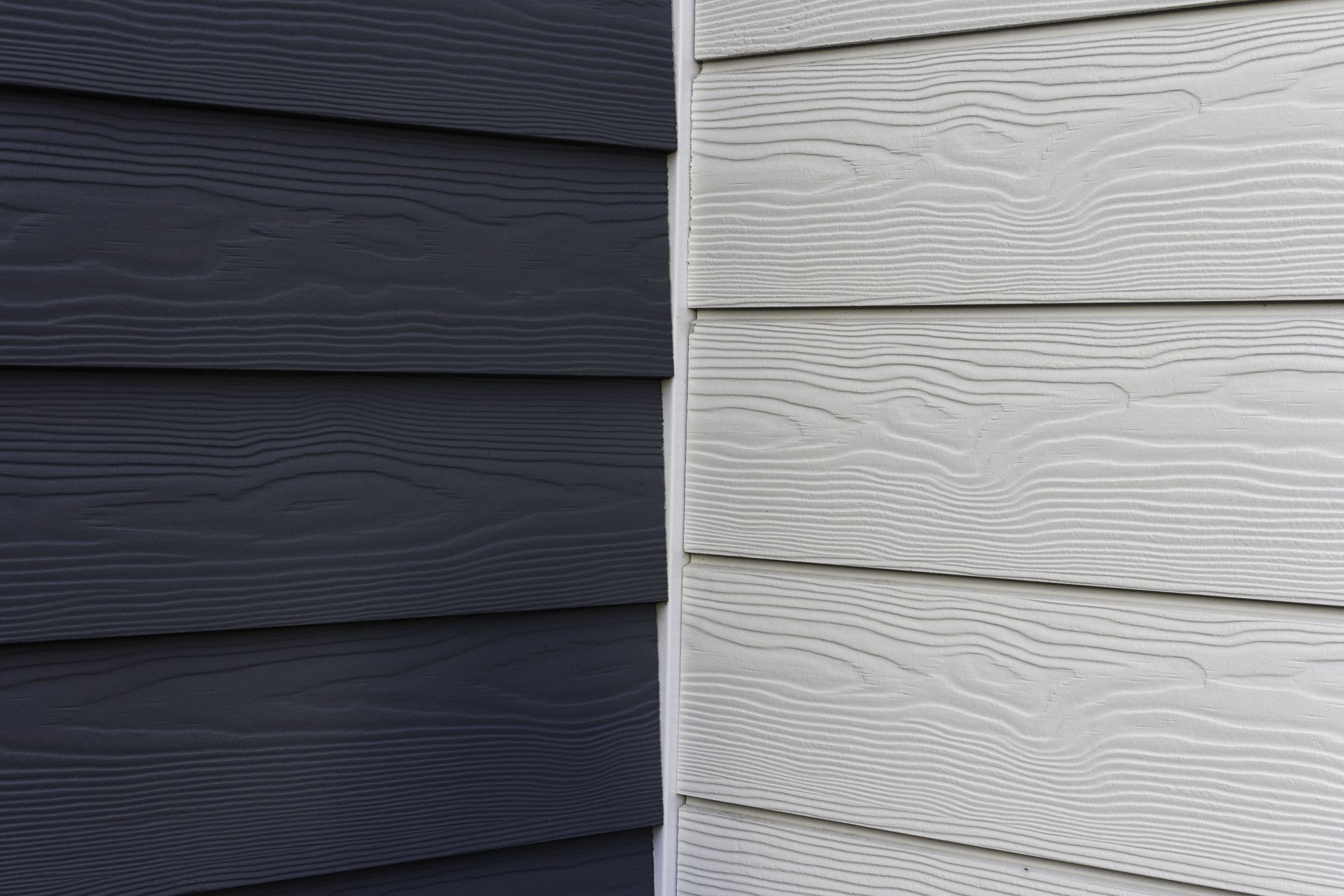
Preserving energy efficiency across multiple decades requires durable exterior materials that resist physical weathering, warping, and material degradation over time. Inferior or aging wall coverings often buckle, gap, or split after repeated exposure to thermal expansion, heavy rain, and freezing winter weather. Once physical degradation begins, overall energy efficiency declines rapidly as air leaks and moisture pathways expand across exterior surfaces. High-performance siding engineered from advanced vinyl, fiber cement, or composite materials maintains structural shape and protective sealing despite prolonged exposure to harsh environmental elements. Durable panel construction eliminates the need for frequent painting or caulking touch-ups, ensuring that weatherproofing seals remain intact over extended periods. Maintaining an impenetrable outer defense preserves underlying insulation layers, weather barriers, and wall sheathing from environmental wear. Protecting the building envelope against progressive physical breakdown guarantees that thermal efficiency gains remain consistent year after year without unexpected energy losses. Investing in resilient exterior protection safeguards your home against atmospheric degradation, delivering lasting comfort, physical durability, and sustained energy conservation across every season.
Upgrading your home's exterior cladding represents a powerful strategy for improving thermal efficiency, eliminating draftiness, and protecting structural wall framing from atmospheric damage. Modern engineered panels block wind-driven drafts, eliminate thermal bridging, prevent moisture intrusion, and reflect solar heat gain, creating a balanced indoor climate throughout the year. Conserving energy through continuous exterior protection reduces mechanical strain on heating and cooling systems while enhancing overall living comfort. Choosing updated siding provides long-term weather resistance, preserving building envelope integrity and supporting sustained energy efficiency across changing weather patterns. Protecting your home with high-performance exterior materials ensures lasting structural durability, superior thermal defense, and consistent indoor comfort for your household. If you are ready for a more energy-efficient and comfortable home environment, contact us at Jacob's Ladder today. We will help you transform your property's exterior with expert installation and durable, high-performance wall solutions.