October 27, 2026
Choosing the right siding for your home is a critical decision that can impact both aesthetics and functionality. Among the most popular choices are vinyl and fiber cement, both offering distinct advantages and challenges. Investing in professional siding installation ensures your home is shielded against the elements while boosting curb appeal. This article explores each option in detail, covering various factors to help you make an informed decision on which siding best suits your needs. From installation processes to their long-term environmental impacts, every aspect is considered. By understanding the nuances of each, you can better align your choice with your personal preferences and home requirements.
Understanding Vinyl Siding
Historical Overview and Popularity
The popularity of vinyl siding correlates with its cost-effectiveness and ease of installation. Homeowners enjoy the ability to customize their homes without breaking the bank, thanks to the wide range of colors and textures available. Vinyl's lightweight nature simplifies the installation process, allowing for quicker project completion compared to heavier materials like wood or brick. When planning a siding installation, its affordability does not negate its performance, making it a competitive choice for those looking to balance budget constraints with aesthetic preferences. Thus, the combination of ease of use and visual appeal has kept vinyl at the forefront of siding options.
Material Composition
Vinyl siding is composed primarily of polyvinyl chloride (PVC), a robust plastic material known for its durability and flexibility. Additives are mixed into the PVC to enhance qualities like color retention, impact resistance, and UV stability. This combination of materials ensures that vinyl siding can withstand various weather conditions, from scorching sun to heavy storms. The manufacturing process allows for a wide range of textures and designs, closely imitating traditional wood siding without the associated upkeep. It's this versatility that makes vinyl a top contender for homeowners seeking a low-maintenance and cost-effective solution.
Variety of Styles and Colors Available
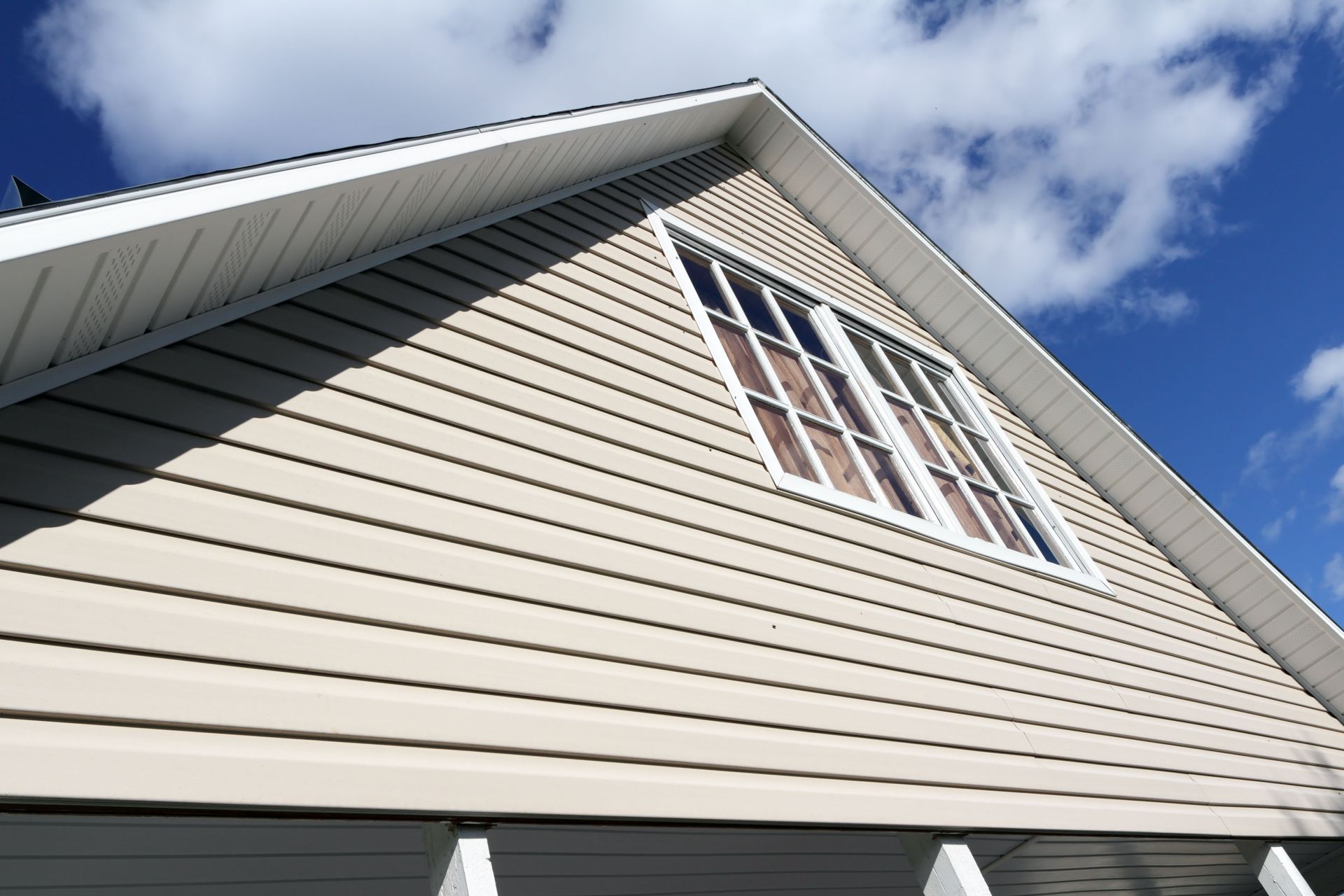
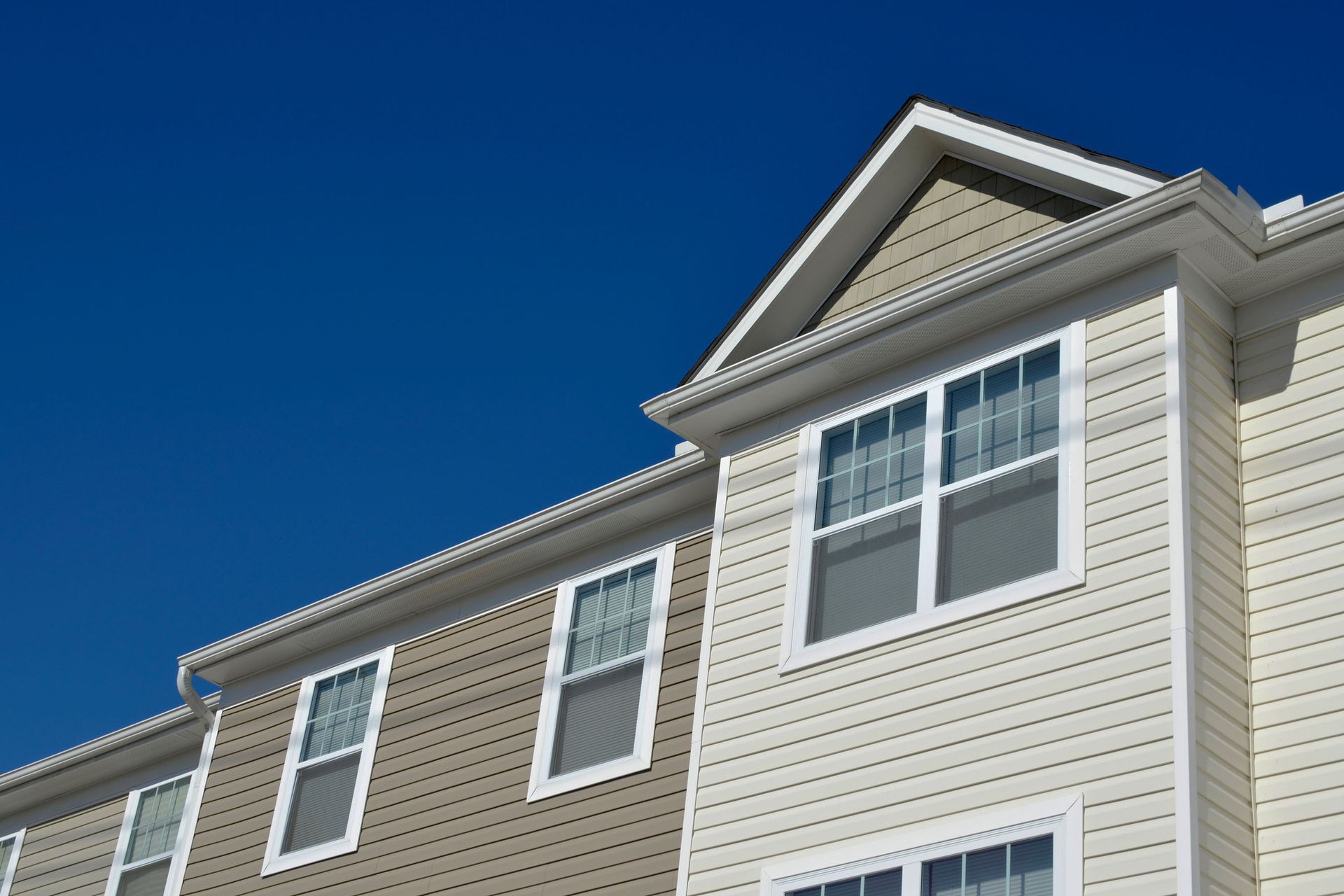
Vinyl siding boasts a broad spectrum of styles and colors, catering to a diverse range of architectural preferences. From traditional clapboard and Victorian scallops to modern interpretations like smooth panels, there's a style to complement every home aesthetic. The color palette extends beyond basic hues to include rich shades and subtle pastels, with newer options providing improved fade resistance. This variety allows homeowners to reflect their personal tastes and to ensure their homes stand out in their neighborhoods. Furthermore, the seamless blend of styles and colors enables creativity while maintaining structural and design integrity.
Installation Process
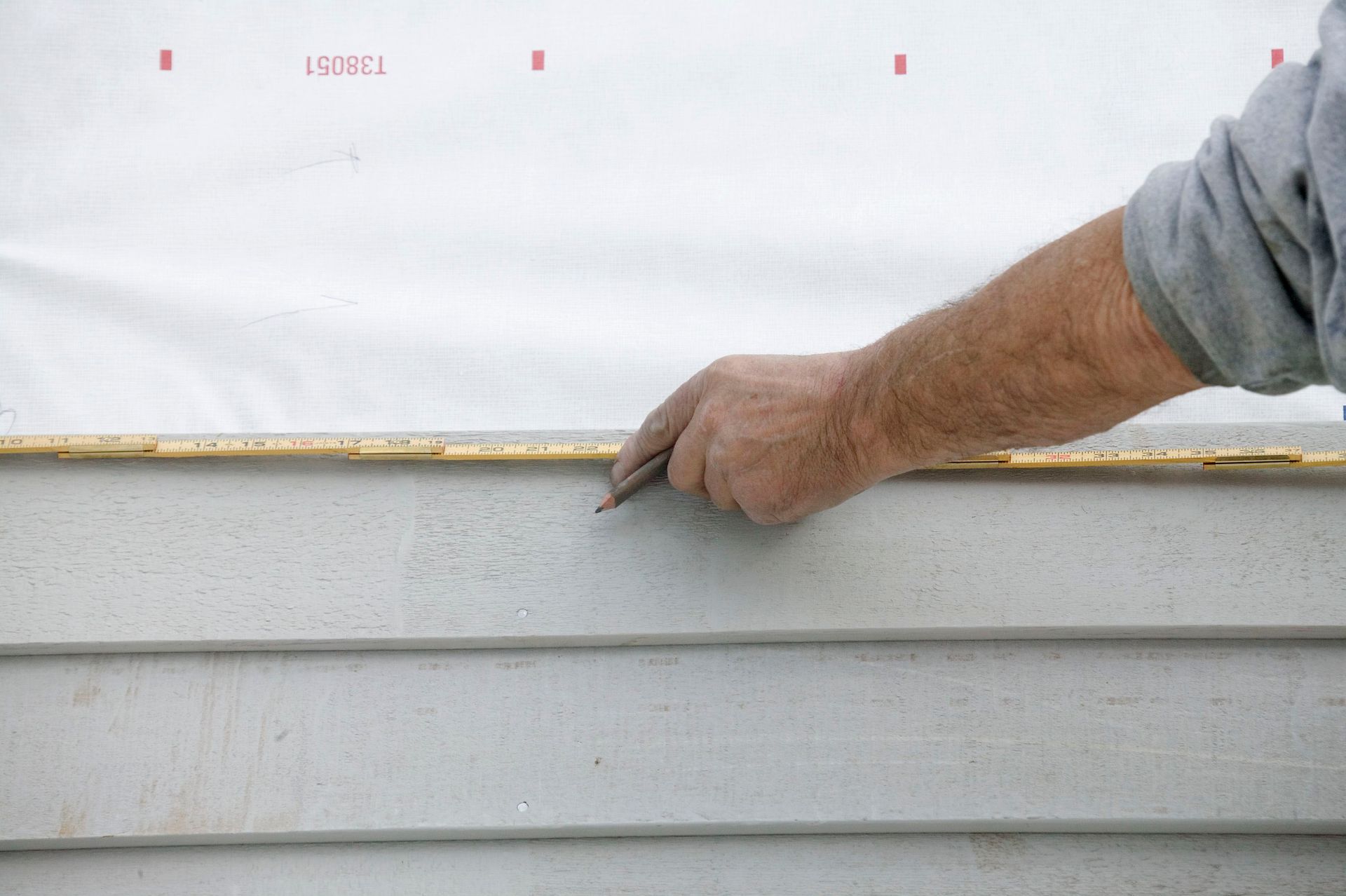
The installation process of vinyl siding is one of its standout features, known for its simplicity and efficiency. The panels interlock with each other and are attached directly to the house with nails, a straightforward procedure that does not require extensive renovation or modification of the structure. This ease of installation significantly reduces the time and labor costs involved, making vinyl a practical option for both new constructions and renovations. A professional siding installation is recommended for optimal results, as it ensures that the siding will endure the effects of weather and wear. This factor, combined with its lightweight nature, contributes to the cost-effectiveness of vinyl.
Common Misconceptions
Vinyl siding, despite its popularity, often faces misconceptions regarding its durability and aesthetic value. One prevailing myth is that it lacks the longevity and robustness of more traditional materials like wood or stone. However, advances in manufacturing and material science have produced vinyl options that are both resilient and long-lasting, contradicting these outdated beliefs. Another common criticism is that vinyl appears cheap or artificial in appearance. The broad array of textures and styles now available effectively dispels this notion, as modern vinyl convincingly mimics more expensive materials.
Exploring Fiber Cement Siding
Introduction to Fiber Cement
Fiber cement siding has gained attention as a durable and aesthetically pleasing alternative to traditional materials such as wood and vinyl. Developed in the early twentieth century, it combines cement with cellulose fibers, creating a composite material that offers both strength and versatility. Choosing this material for your siding installation provides remarkable resistance to the elements, providing homeowners with a robust exterior solution. Unlike its wooden counterparts, fiber cement is impervious to rot and pest damage, making it highly suitable for various climates. The long lifespan of fiber cement, often exceeding 100 years according to The Spruce, marks it as a sound investment for those seeking durability.
Manufacturing and Material Composition
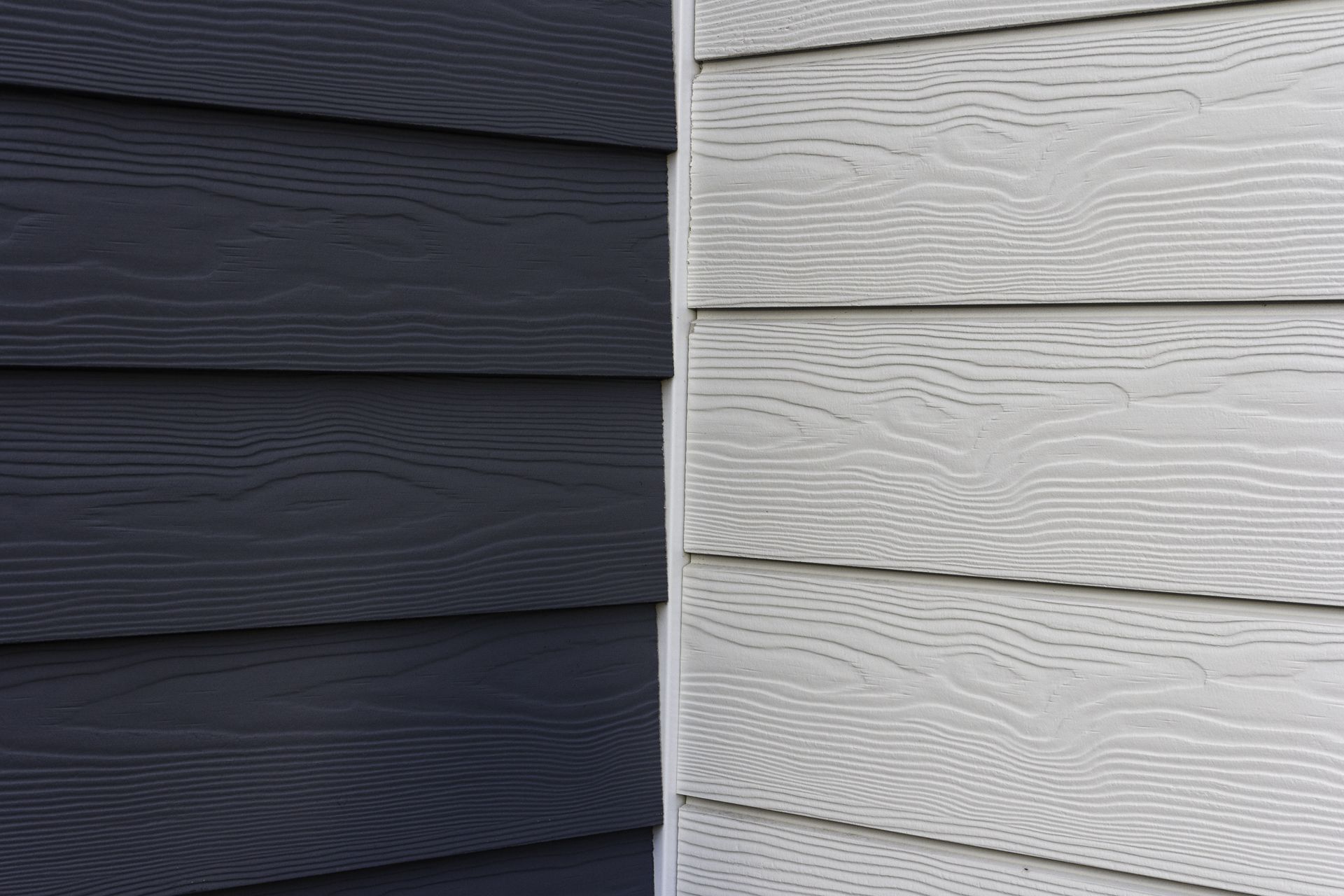
Fiber cement siding is manufactured through a process that combines cement, sand, and cellulose fibers into a dense but workable material. This unique composition imparts a high degree of strength without sacrificing flexibility, allowing the material to actively resist cracking and shrinking. During production, the mixture is pressed into molds, providing the opportunity to create various textures that animate its resemblance to other building materials. This versatility in manufacturing leads to the wide array of aesthetic options that have become synonymous with fiber cement siding. Additionally, the use of sustainable raw materials elevates its appeal to environmentally-conscious homeowners.
Aesthetic Options and Customizability
When it comes to aesthetics, fiber cement siding offers a luxuriant array of choices, echoing styles traditional to stone, wood, and stucco. The ability to emulate these high-end finishes allows homeowners to achieve specific design visions without the associated maintenance and expense. Incorporating fiber cement into your siding installation is popular in custom homes and neighborhoods with strict aesthetic requirements. Additionally, the material can be painted in any color, providing endless possibilities for personalization and style updating over time. The continuation of its popularity suggests that a customized, high-quality appearance is a priority for many homeowners.
Installation Techniques
Installing fiber cement siding requires a more detailed approach than vinyl due to its heavier nature and unique material properties. A successful siding installation with fiber cement demands that boards be carefully cut and handled to avoid chips and cracks, often necessitating specific tools and techniques. Professionals in the field are skilled in maneuvering the weight and rigidity of fiber cement, ensuring secure and proper alignment with minimal gaps to guard against water intrusion. The preparation and attention required during installation contribute significantly to the overall cost compared to other materials, though the longevity of fiber cement offsets the upfront investment. Homeowners benefit from professional expertise that guarantees enduring durability and performance.
Myths Debunked
Fiber cement siding is not immune to its own set of myths, starting with misconceptions about its expense and difficulty of use. Though primarily associated with higher upfront costs compared to vinyl, this is often offset by fiber cement's exceptional durability and low maintenance needs. Prioritizing quality materials for your siding installation dispels the misconception that the material is brittle and vulnerable to cracking under stress. In reality, fiber cement's engineered composition grants it significant resilience, readily withstanding environmental stressors that would damage many alternative materials. Consequently, misconceptions about its durability do not align with its track record of performance and longevity.
Choosing between vinyl and fiber cement comes down to balancing your aesthetic preferences, maintenance expectations, and overall budget. While vinyl delivers exceptional affordability and hassle-free upkeep, fiber cement provides unmatched durability and authentic architectural elegance. Entrusting your project to experienced professionals ensures a seamless siding installation that protects your exterior and maximizes long-term home value. By evaluating the unique benefits and demands of each material, you can confidently invest in a solution that enhances your property for decades to come.
Protect your home and elevate its curb appeal today by contacting Jacob's Ladder to schedule your expert siding installation consultation!