July 2, 2026
The roof stands as one of the most critical components of any residential building, providing essential protection against harsh weather elements while actively preserving structural integrity. Implementing a consistent care schedule can significantly extend the operational lifespan of these vital materials. This proactive approach prevents unexpected, costly emergency repairs and ensures the absolute safety of the building's occupants.
Neglecting minor exterior issues often leads to widespread, severe structural degradation that impacts the entire property. Homeowners frequently find themselves needing to invest in a professional roof replacement service when standard wear and tear transforms into comprehensive water damage. Understanding how to manage your home's exterior defense systems ensures that you make informed decisions regarding timely renovations.
Understand Your Roof Type
Residential properties feature a wide variety of roofing materials, each possessing distinct advantages and individual maintenance requirements. Common options include traditional asphalt shingles, durable metal panels, clay tiles, and natural wood shakes. Asphalt shingles remain popular due to their cost-effective nature and straightforward installation process, while modern metal options are highly lauded for their impressive longevity and superior energy efficiency.
Recognizing your specific material is vital because it determines the overall durability and expected performance of the structure. According to data from Global Market Insights, a significant majority of American properties—specifically more than 80%—were constructed over 20 years ago, with a large portion exceeding 30 or 40 years of age. This aging pattern suggests that many systems need modern updates.
Regional climate considerations play a highly decisive role when selecting appropriate upgrades or scheduling upkeep for an aging structural system. Properties exposed to heavy winter weather benefit from smooth surfaces that allow accumulated snow to slide away effortlessly before creating severe stress. Matching your structural elements to regional weather patterns guides long-term planning when arranging a necessary roof replacement service.
Maintain Your Roof Regularly
Clearing accumulated debris from the upper surfaces of your home represents a fundamental aspect of structural preservation that should never be ignored. Removing leaves, stray branches, and organic matter prevents moisture accumulation that slowly degrades protective external coatings. Clogged drainage paths can cause water backup, causing extensive interior leaking that eventually forces property owners to invest in a comprehensive roof replacement service.
Controlling aggressive algae, moss, and lichen development is equally important for maintaining structural health and visual appeal. Moss tends to flourish beneath delicate shingle edges, lifting the individual pieces and exposing vulnerable underlying layers to wind-driven rain. Utilizing specialized cleaning solutions can safely eliminate these destructive organisms without damaging primary building materials or accidentally voiding existing manufacturer warranties.
Managing your home drainage system properly ensures that seasonal rainwater flows safely away from your foundational walls. Gutters must remain entirely free of obstructions to prevent localized pooling along the roofline, which rapidly accelerates timber rot and structural decay. Securing these channels tightly and installing modern leaf guards can minimize debris accumulation, greatly reducing the manual labor required.
Identify Common Roof Issues
Discovering active leaks early can save homeowners from major structural headaches and incredibly expensive interior restoration projects. Water intrusion often progresses slowly behind walls, creating hidden mold colonies long before manifest staining appears on visible ceilings and drywall. Conducting routine visual checks for displaced shingles or damaged sealants helps pinpoint vulnerabilities before moisture penetrates the primary defensive barriers.
Inspecting the attic space regularly provides vital clues regarding hidden moisture penetration and overall ventilation efficiency. Musty smells, damp insulation materials, and darkened wood rafters signal that your current system is failing to repel ambient humidity or external precipitation. Ensuring balanced airflow through modern ventilation designs helps mitigate these localized problems, preserving the structural health of wooden decking.
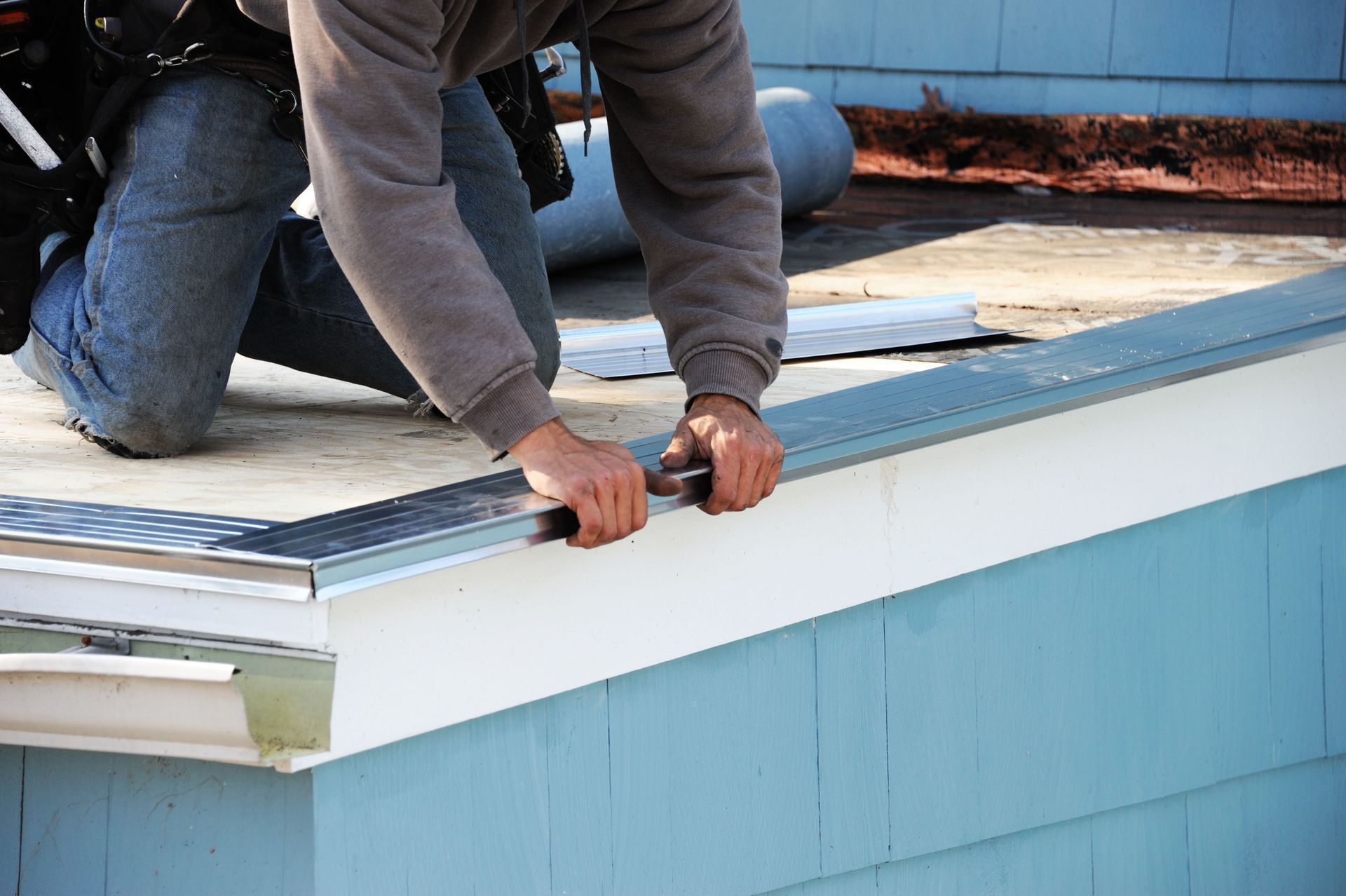
Damaged flashing around chimneys, skylights, and ventilation pipes remains a leading cause of unexpected residential water leaks. These protective metallic barriers can deteriorate or pull away over time, allowing rainwater to bypass external shingles and enter living spaces. Resolving flashing deterioration quickly prevents widespread wood rot, successfully saving you from needing an emergency roof replacement service.
Know When to Transition to a New Roof
While routine cleaning and debris removal are vital for basic maintenance, every residential structure eventually reaches a critical tipping point. Homeowners must recognize when ongoing, temporary fixes are no longer viable or safe. When widespread shingle degradation, persistent leaking, or noticeable structural sagging occur, investing in a professional roof replacement service becomes the most financially sound and responsible decision. Continually attempting to address systemic wear with minor patches only compromises the safety of your household and reduces your property's long-term value.
Planning for a complete installation allows you to leverage modern engineering standards, providing your home with superior insulation, enhanced wind resistance, and advanced ventilation designs. A full system overhaul eliminates hidden mold colonies and underlying wood rot that partial fixes inevitably leave behind. By partnering with certified experts for a comprehensive roof replacement service, you secure a reliable manufacturer's warranty and total peace of mind, ensuring your property remains protected against the elements for decades to come.
Protect Your Roof's Longevity
Establishing a consistent, proactive inspection routine stands as the single most effective method for maximizing structural performance. Arranging annual evaluations allows experienced professionals to detect subtle wear patterns that typically escape untrained eyes. Proactive management ensures minor vulnerabilities are corrected immediately, preserving the outer envelope and extending the interval before an extensive roof replacement service becomes absolutely mandatory.
Selecting premium roofing materials during initial construction or renovation phases significantly impacts long-term structural resilience and property value. High-quality components offer superior resistance against intense UV radiation, heavy downpours, and severe wind forces. Although top-tier material options require a larger initial financial commitment, the reduced frequency of subsequent repairs yields substantial financial savings throughout the lifespan.
Applying specialized protective coatings provides an extra layer of defense against harsh environmental elements and premature aging. These advanced liquid membranes reflect solar heat, reducing household cooling costs while shielding underlying elements from moisture degradation. Integrating protective coatings into your preservation strategy helps maintain material flexibility, safeguarding your property against unexpected structural degradation over time.
Prepare for Seasonal Weather
Evaluating your home defense systems before major seasonal weather shifts helps ensure your property remains safe throughout the year. Intense summer heat, freezing winter temperatures, and sudden torrential downpours all place unique physical stresses on residential building materials. If your current structure exhibits significant structural vulnerability prior to a severe storm season, scheduling a professional roof replacement service provides the most reliable protection for your family.
Conducting thorough inspections immediately following severe weather events allows homeowners to identify localized damage before moisture penetrates deeper layers. Strong winds can lift shingles, while heavy hail often bruises protective asphalt surfaces, leaving underlying wood components vulnerable to rapid decay. Documenting these changes right away helps you track material degradation over time, making it easier to plan necessary structural upgrades before major leaks occur.
Managing winter weather hazards like freezing ice dams requires careful attention to edge clearing and proper heat distribution. Ice dams form when melting snow refreezes along cold eaves, creating a solid barrier that traps water directly beneath vulnerable shingles. Removing heavy snow accumulations safely and maintaining balanced roof temperatures prevents this trapped moisture from leaking into your living spaces and damaging interior ceilings.
Proper home maintenance requires steady attention but delivers substantial rewards through enhanced safety, optimized efficiency, and property valuation. By understanding your specific material type, executing routine cleaning, and addressing minor damage swiftly, you protect your entire household investment. To safeguard your property for years to come, let us manage your exterior care at Jacob's Ladder.