March 17, 2026
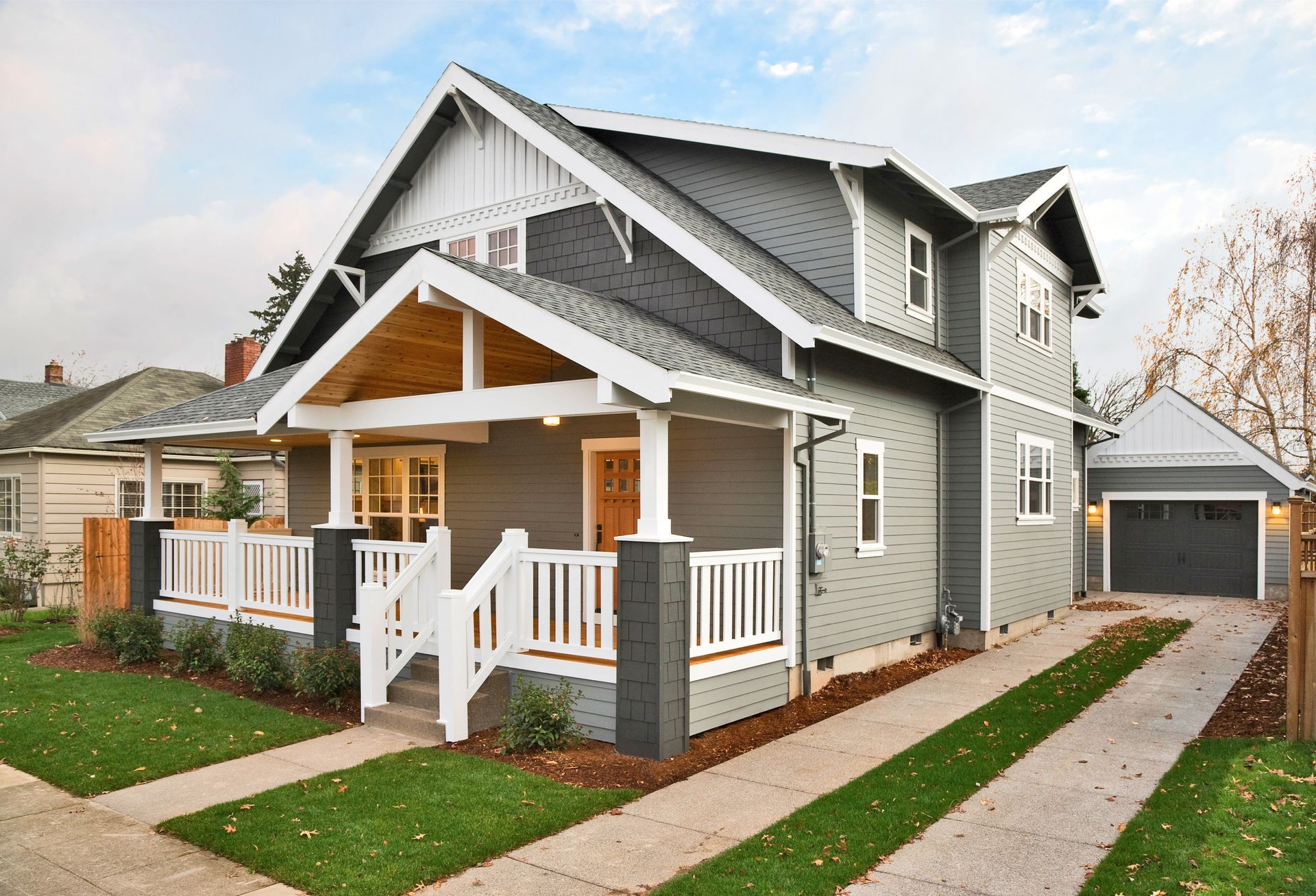
Selecting the right material is one of the most important decisions in any exterior renovation or new construction project. The materials used during a wood siding installation influence not only the appearance of a home but also its durability, insulation performance, and long-term maintenance requirements. With a variety of modern siding options available today, homeowners and builders have more choices than ever when designing an exterior that balances aesthetics with practicality.
While traditional natural wood remains a popular option, modern building techniques have introduced engineered wood, fiber cement, and other alternatives that complement or replicate the appearance of wood. Each of these materials brings unique advantages in terms of cost, longevity, environmental impact, and visual appeal. Understanding the differences between these materials allows homeowners to make informed decisions about the most suitable solution for their specific climate, budget, and architectural goals.
Modern wood siding installation projects often involve comparing these materials carefully before selecting the best fit. Some homeowners prioritize the classic beauty of real wood, while others prefer materials designed to reduce maintenance or improve resistance to weather. By examining several of the most widely used siding materials in today’s construction industry, it becomes easier to understand how each option contributes to the evolving landscape of exterior home design.
Discussing Natural Wood Siding
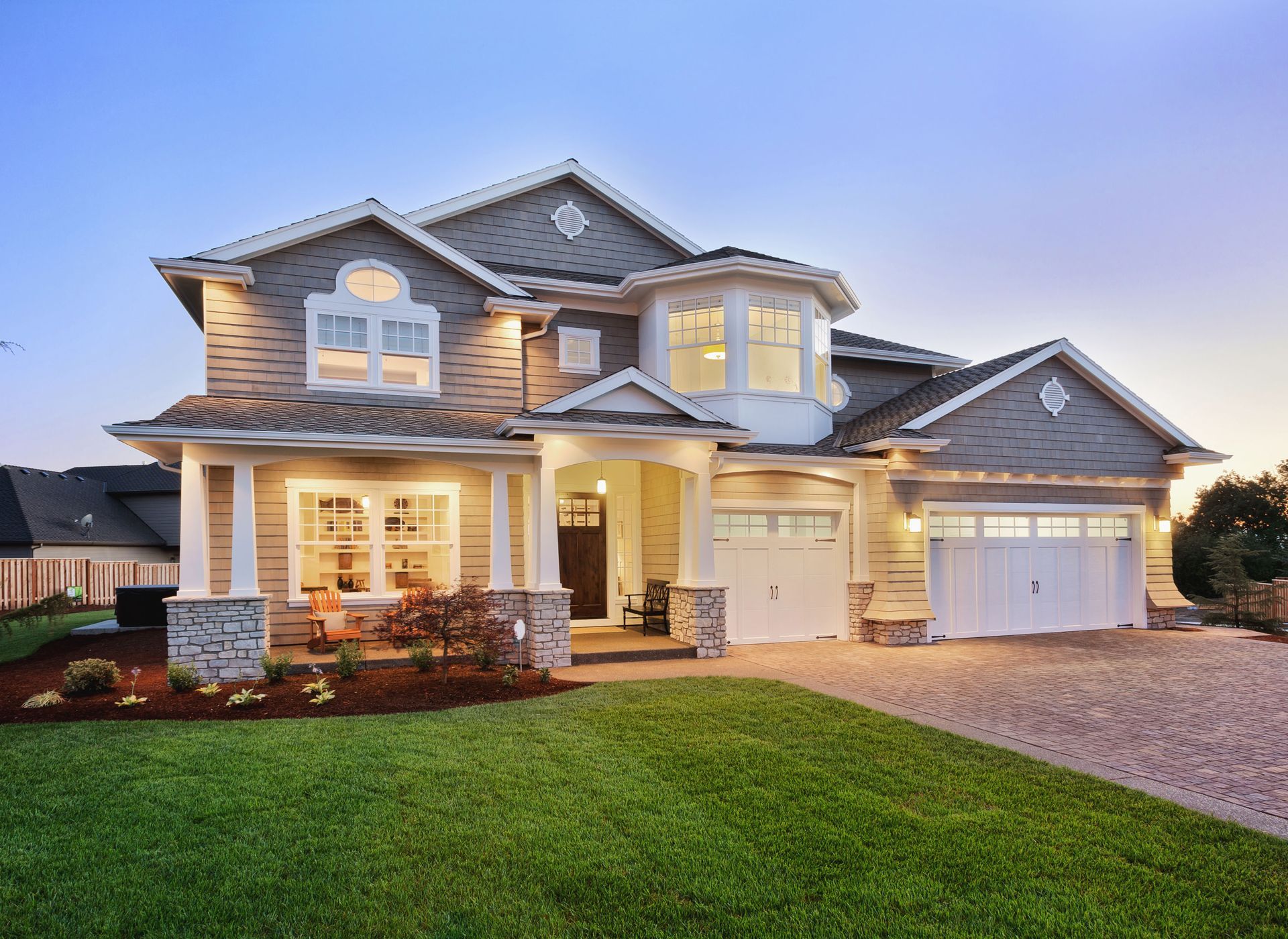
Natural wood siding remains one of the most recognizable and visually appealing choices for residential exteriors. Known for its authentic texture and timeless charm, real wood continues to play a central role in many wood siding installation projects. Popular species such as cedar, redwood, pine, and cypress each offer distinctive grain patterns and colors that help create unique architectural styles.
Cedar is often favored because it naturally resists moisture and insects, making it a practical option for many climates. Redwood is another high-quality material that offers excellent durability and a rich color tone that enhances the visual character of a home. Pine provides a more affordable option while still delivering the warmth and natural beauty that homeowners expect from real wood siding.
However, maintaining the appearance of natural wood requires regular upkeep. According to The Spruce, wood siding will need to be repainted about once every three to five years to protect it from moisture and UV radiation. This maintenance routine is an important consideration for homeowners planning a wood siding installation, as it helps preserve both the appearance and performance of the siding over time.
Despite these maintenance requirements, natural wood siding continues to attract homeowners who appreciate traditional craftsmanship and organic materials. Its ability to complement a wide range of architectural styles ensures that it remains a prominent choice in modern construction.
Exploring Engineered Wood Siding
Engineered wood siding has emerged as a modern alternative that combines the appearance of real wood with enhanced durability. This material is manufactured using compressed wood fibers and resins, creating a product that closely resembles natural wood while offering additional resistance to weather and pests.
Many homeowners choose engineered materials during wood siding installation because they require less maintenance than traditional wood. The manufacturing process strengthens the material, helping it withstand moisture, temperature changes, and insect damage more effectively. This added durability makes engineered wood an appealing option for homeowners seeking a balance between authenticity and convenience.
Another advantage of engineered wood is its versatility in design. It can be manufactured to replicate a wide variety of textures and patterns, allowing homeowners to achieve the look of traditional wood without the same level of upkeep. This flexibility has contributed to its increasing popularity in modern residential construction.
Engineered wood siding also offers environmental benefits in some cases. Because it often uses wood byproducts that might otherwise be discarded, the manufacturing process can support more efficient use of natural resources. For many homeowners evaluating materials for wood siding installation, engineered wood represents a practical and visually appealing solution.
Observing Fiber Cement Siding
Fiber cement siding has become another widely used option that complements wood-style exteriors. Although it is not made from wood itself, it is frequently included in comparisons involving wood siding installation because it can closely mimic the appearance of traditional wood planks.
This material is produced from a mixture of cement, sand, and cellulose fibers. The result is a highly durable product that resists moisture, insects, and fire. Because fiber cement is engineered for strength, it performs well in regions with harsh weather conditions such as heavy rain, strong winds, or extreme heat.
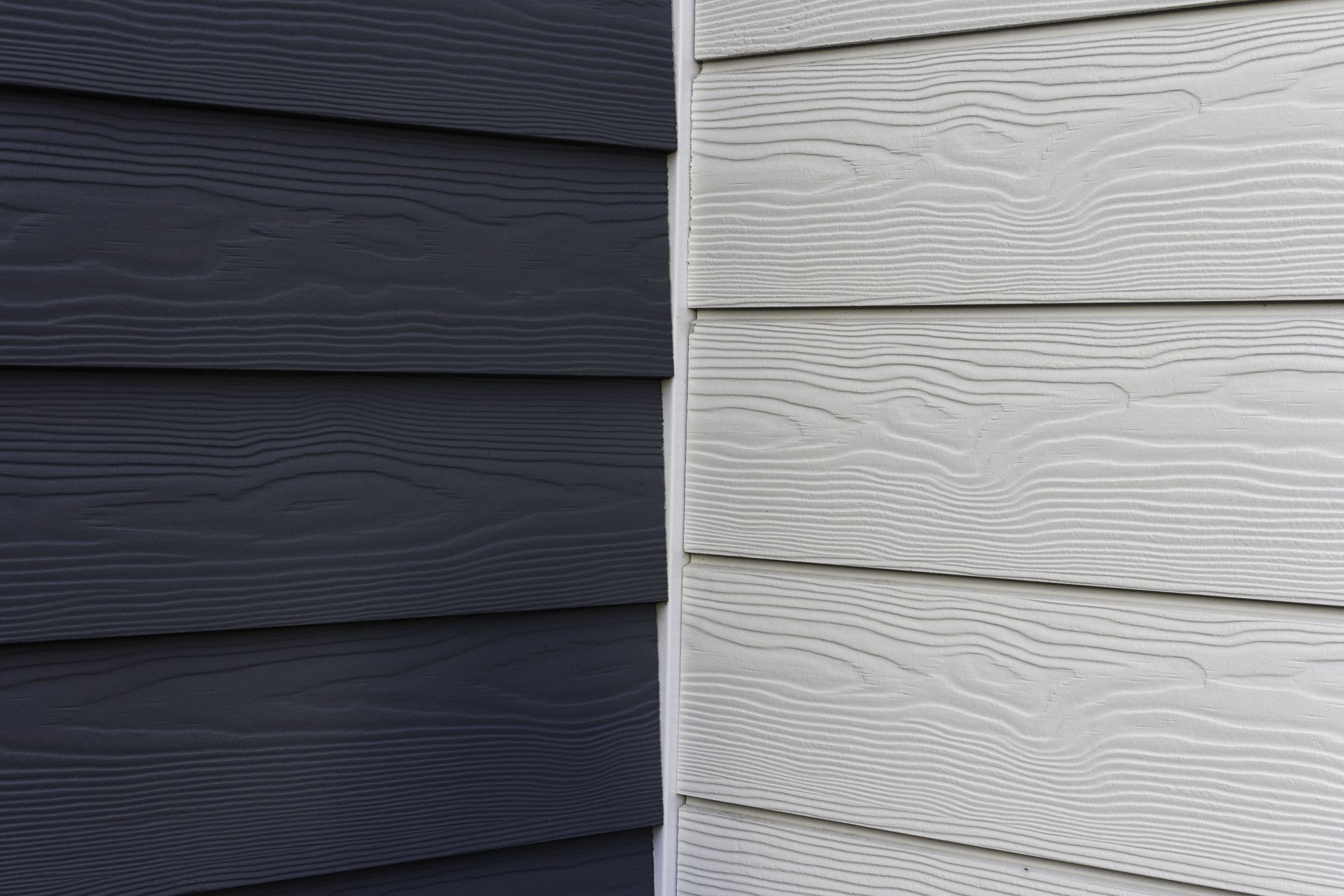
One of the reasons fiber cement is frequently considered during wood siding installation planning is its ability to maintain a wood-like appearance with less frequent maintenance. Many fiber cement products are manufactured with realistic grain textures that replicate the visual qualities of cedar or other popular wood species.
While installation can require specialized tools and professional expertise, many homeowners find that the long-term durability of fiber cement makes it a worthwhile investment. Its resistance to rot and weathering allows it to maintain its appearance for extended periods, contributing to its popularity in modern construction.
Reviewing Vinyl Siding with Wood-Look Finishes
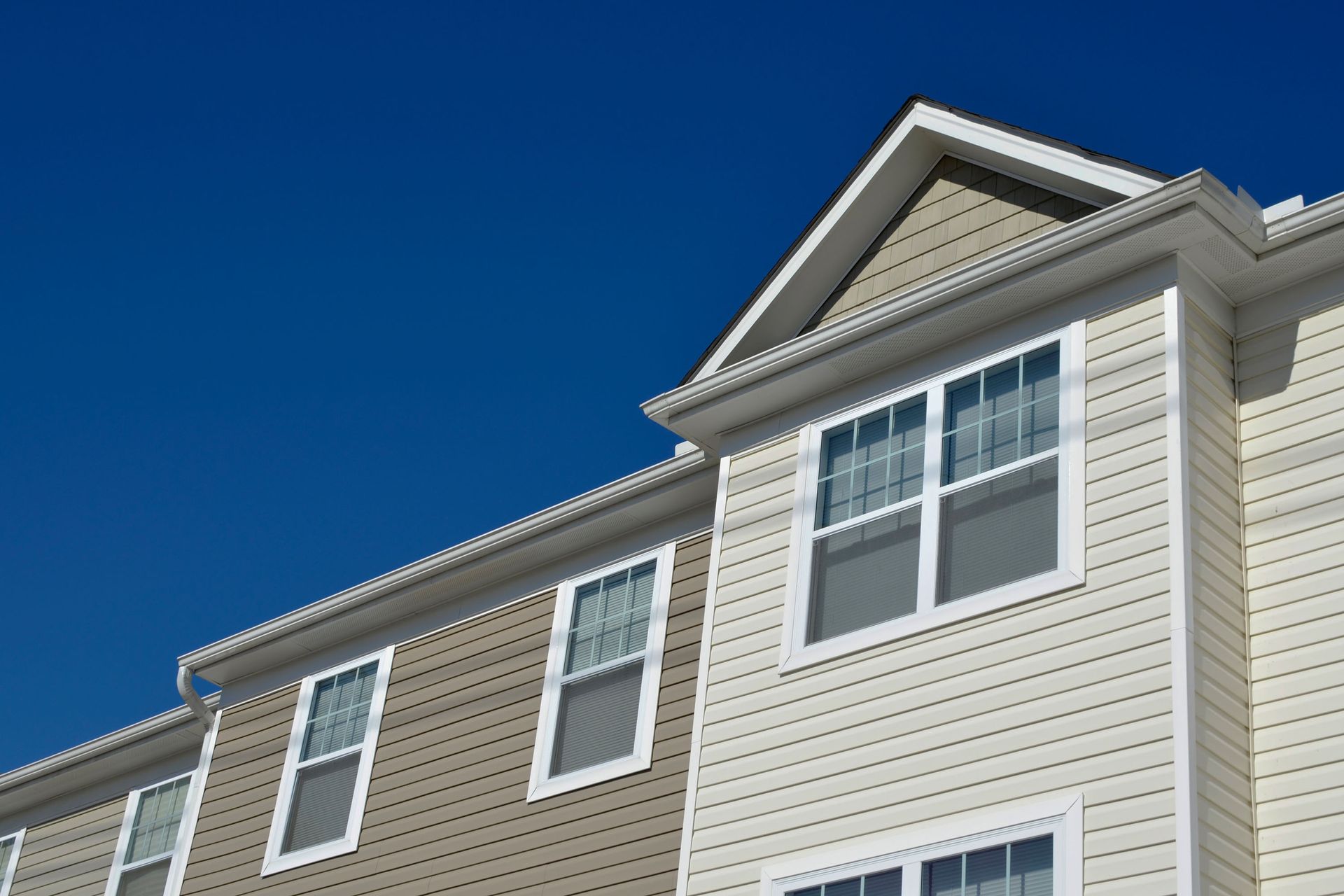
Vinyl siding has evolved significantly over the years, and many modern products are designed to replicate the appearance of wood siding. Although vinyl is not a traditional wood material, it often enters the conversation when homeowners are comparing options related to wood siding installation.
Manufacturers now produce vinyl panels with textured surfaces that imitate the grain patterns of real wood. These designs allow homeowners to achieve the aesthetic appeal of wood while benefiting from the low maintenance requirements associated with vinyl siding.
One advantage of vinyl is its affordability. Compared to natural wood or fiber cement, vinyl siding often requires a smaller initial investment. This cost efficiency can make it an attractive option for homeowners planning exterior renovations on a limited budget.
Vinyl siding also resists moisture and insects, eliminating many of the maintenance concerns associated with natural wood. While it may not offer the exact authenticity of real wood, vinyl remains a practical choice for homeowners seeking a simplified alternative during a wood siding installation project.
Modern construction offers a wide variety of materials that can be used during wood siding installation, each providing its own combination of visual appeal, durability, and maintenance requirements. Natural wood continues to stand out for its timeless beauty and authentic character, while engineered wood offers improved durability and easier maintenance. Fiber cement, vinyl, and metal siding further expand the range of options available to homeowners and builders.
Choosing the right material ultimately depends on several factors, including climate, design preferences, budget, and long-term maintenance expectations. Understanding how each material performs allows homeowners to make confident decisions that enhance both the appearance and functionality of their homes.
As technology continues to influence building materials, wood siding installation will likely evolve with new innovations that blend traditional aesthetics with improved durability. By carefully comparing available materials and considering their unique benefits, homeowners can select siding solutions that provide lasting value, visual appeal, and dependable performance for years to come. If you are located in the Richmond, VA area and seeking a dependable wood siding installation team, contact the professionals who can do it all. Contact Jacob's Ladder today to request an estimate for your next siding, painting, or window project.