February 20, 2026
Installing a new roof is one of the most important milestones in homeownership. For first-time homeowners, understanding what to expect from a professional roof installation service can make the process far less overwhelming. A properly installed roof protects your home from weather damage, improves energy efficiency, and enhances curb appeal. Taking the time to learn the basics helps you make confident decisions and communicate effectively with your contractor.
Whether you are replacing an aging system or building a new home, selecting the right materials and contractor plays a major role in long-term performance. The following guidelines outline what to consider before, during, and after a roof installation so you can move forward with clarity and peace of mind.
Evaluate Roofing Material Options Carefully
Choosing the right material is one of the first decisions you will make when planning a roof installation. Asphalt shingles remain a popular option because they are cost-effective, versatile, and available in a wide range of colors. They perform well in many climates and offer reliable protection when properly installed. Metal roofing has also gained attention for its durability and energy efficiency, reflecting heat and standing up to harsh weather conditions. Wood shakes and clay or concrete tiles provide distinctive aesthetics but often require additional maintenance or structural considerations.
When evaluating materials, consider your home’s architectural style, your local climate, and your long-term maintenance expectations. A reputable roof installation service will walk you through the pros and cons of each option and explain how different systems affect ventilation, insulation, and overall performance. By weighing durability, appearance, and upkeep requirements, you can select a roofing material that aligns with both your budget and your long-term goals.
Understand Measurement and Material Planning
Accurate measurement is essential for a successful roof installation. Contractors carefully assess the size, pitch, and complexity of your roof to determine how much material is required, taking into account features such as valleys, dormers, and ridgelines that can affect calculations. According to This Old House, roofing professionals measure materials in “squares,” with each square representing 100 square feet of coverage. This standardized system helps ensure consistent estimating practices across the industry and allows contractors to order the correct amount of shingles, underlayment, and related components. By calculating materials accurately, a roof installation service can minimize waste, avoid unnecessary delays, and maintain better cost control throughout the project.
Understanding this process empowers you to ask informed questions about your estimate and better interpret the numbers presented in your proposal. A detailed quote from a professional should clearly outline material quantities, underlayment specifications, flashing details, and ventilation components so you know exactly what is included. If anything appears unclear, requesting clarification early can prevent misunderstandings later. Clear communication about measurements and material planning not only protects your budget but also ensures that your project remains organized, efficient, and aligned with your expectations from start to finish.
Select a Qualified Roofing Contractor
The contractor you choose has a direct impact on the outcome of your roof installation. First-time homeowners should verify licensing, insurance coverage, and references before signing any agreement, as these credentials confirm that the company meets local requirements and carries proper protection in case of accidents or property damage. It is also helpful to review online feedback and request photos of completed projects to evaluate workmanship. Experience with your chosen roofing material is especially important, since installation techniques vary significantly between asphalt shingles, metal panels, wood shakes, and tile systems. A contractor who understands the specific demands of your material is more likely to deliver long-lasting results.
A professional roof installation service will provide a written contract detailing the scope of work, projected timeline, payment schedule, and warranty information. The agreement should clearly outline materials to be used, ventilation upgrades if needed, and cleanup responsibilities once the job is complete. Do not hesitate to ask about safety practices, debris removal procedures, and how unexpected issues such as hidden water damage will be addressed. Clear answers and transparent communication reflect professionalism and accountability. Working with a qualified and open contractor reduces stress, prevents misunderstandings, and helps ensure that your investment is protected for years to come.
Prepare Your Home for Installation Day
Preparation plays a key role in ensuring a smooth roof installation. Before work begins, remove fragile items from walls and shelves, as vibrations from construction can cause them to shift or fall. It is also wise to take down hanging décor, such as mirrors or artwork, in rooms directly beneath the roofline. Clear vehicles from the driveway and move outdoor furniture, grills, potted plants, and decorative items away from the home to provide safe access for the crew and protect your belongings from falling debris. Trimming back tree branches near the roof can further improve safety and efficiency during the roof installation service.
Inside your home, consider covering items stored in the attic with protective sheets or tarps to guard against dust or small particles that may enter during the process. If you have children or pets, plan arrangements to keep them safely away from work areas and loud noise. Communicate with your contractor about expected noise levels, delivery times, and daily work hours so you can adjust your schedule as needed. Taking these proactive steps allows the service team to work efficiently, maintain a safe environment, and minimize disruptions to your daily routine.
Monitor Installation Quality and Safety
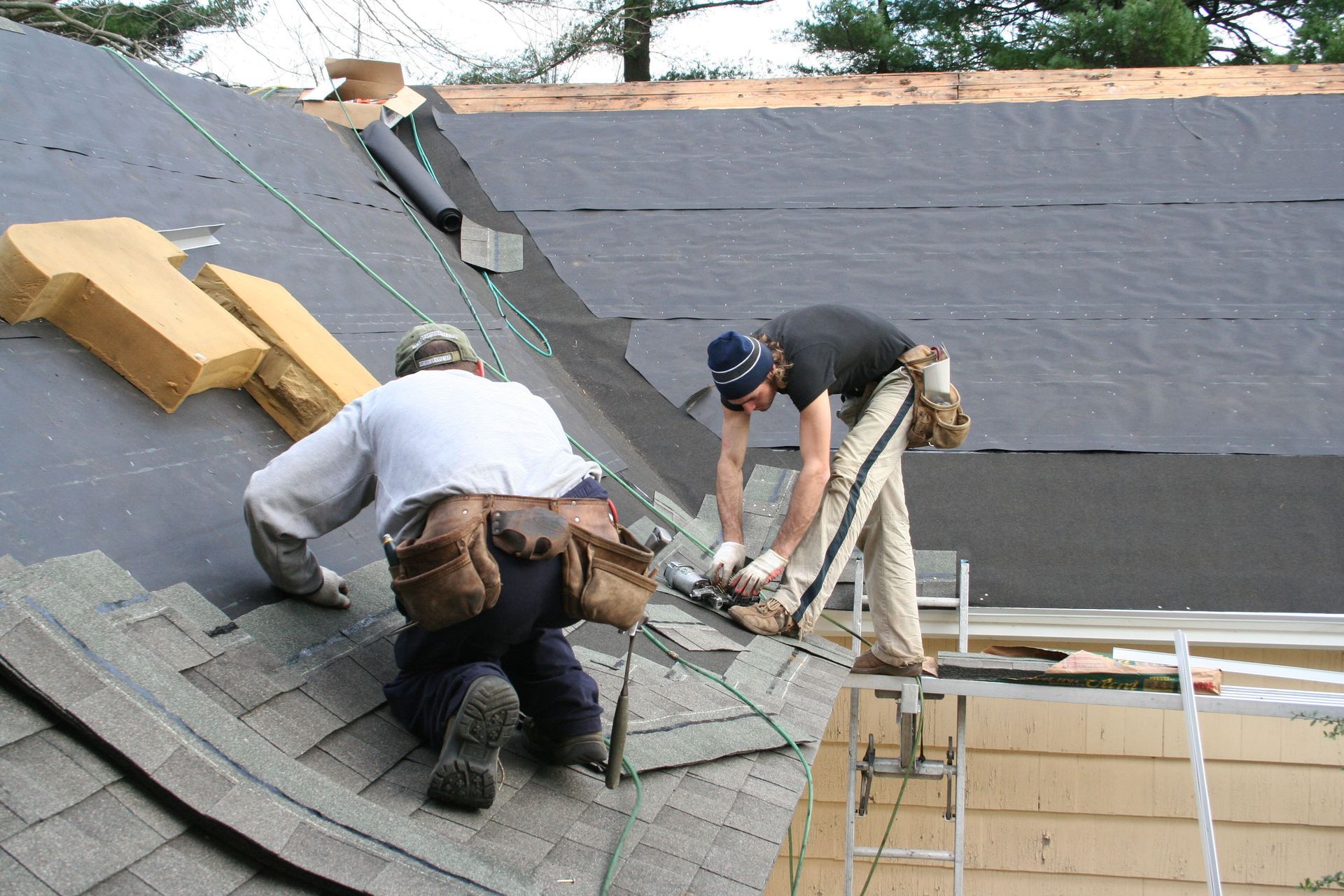
Even if you are not a roofing expert, you can still observe general workmanship during your roof installation service. Proper installation includes secure fastening of materials, careful placement of flashing around chimneys and vents, and consistent alignment of shingles or panels. You may also notice whether underlayment is being installed evenly and whether roof penetrations are sealed properly to prevent moisture intrusion. Straight lines, uniform spacing, and clean transitions along ridges and valleys are all visible indicators that the crew is paying attention to detail. These elements may seem minor at first glance, but they play a significant role in preventing leaks, wind damage, and premature wear over time.
Safety should also remain a visible priority throughout the project. Professional crews use appropriate fall protection equipment, such as harnesses and guardrails, and maintain an organized job site to reduce hazards. Materials should be stacked securely, nails and debris should be managed carefully, and walkways should remain clear. If questions arise during your roof installation, address them promptly with the project supervisor rather than waiting until the end of the project. Open communication allows adjustments to be made early, reinforces accountability, and ensures that both workmanship standards and safety expectations are consistently upheld.
Maintain Your Roof After Completion
Once your roof installation is complete, ongoing maintenance becomes your responsibility as a homeowner. Regular visual inspections from the ground can help you spot missing shingles, debris buildup, or clogged gutters. Addressing minor issues early prevents larger problems such as water intrusion or structural damage.
Scheduling periodic professional inspections further protects your investment. A professional roof installation service provider can assess flashing, ventilation, and overall system performance to confirm everything remains in good condition. Keeping records of inspections and maintenance also supports warranty coverage and may prove beneficial if you decide to sell your home in the future.
Investing in a roof installation is a major step for any first-time homeowner, but proper planning and informed decision-making make the process manageable. By evaluating materials, understanding measurements, choosing a qualified contractor, preparing your home, monitoring workmanship, and committing to maintenance, you establish a strong foundation for long-term protection. When you are ready to move forward, contact us at Jacob's Ladder. We will guide you through your roof installation service with confidence and care.