January 22, 2026
Fiber cement siding is known for its strength, longevity, and curb appeal, but those benefits only materialize when the siding is installed correctly. Even the most durable siding can underperform if seams are not sealed properly, nails are overdriven, or moisture barriers are not installed. Many homeowners assume that siding performance depends only on the material itself, but the truth is that the installation process plays a major role in how well the siding stands up to weather. Proper fiber cement siding installation ensures that the system functions as a complete protective envelope, keeping moisture out and preventing air leaks that can impact energy costs and long-term durability.
When installation is completed accurately, homeowners gain the full value of fiber cement siding’s resistance to wind, rain, and temperature fluctuations. However, when steps are skipped or done incorrectly, even high-quality siding can develop issues that lead to costly repairs. This article explains the essential installation steps, common mistakes to avoid, and how professional installation supports long-term performance, helping homeowners make informed decisions about their exterior upgrades.
Understand the Value of Fiber Cement Siding Placement
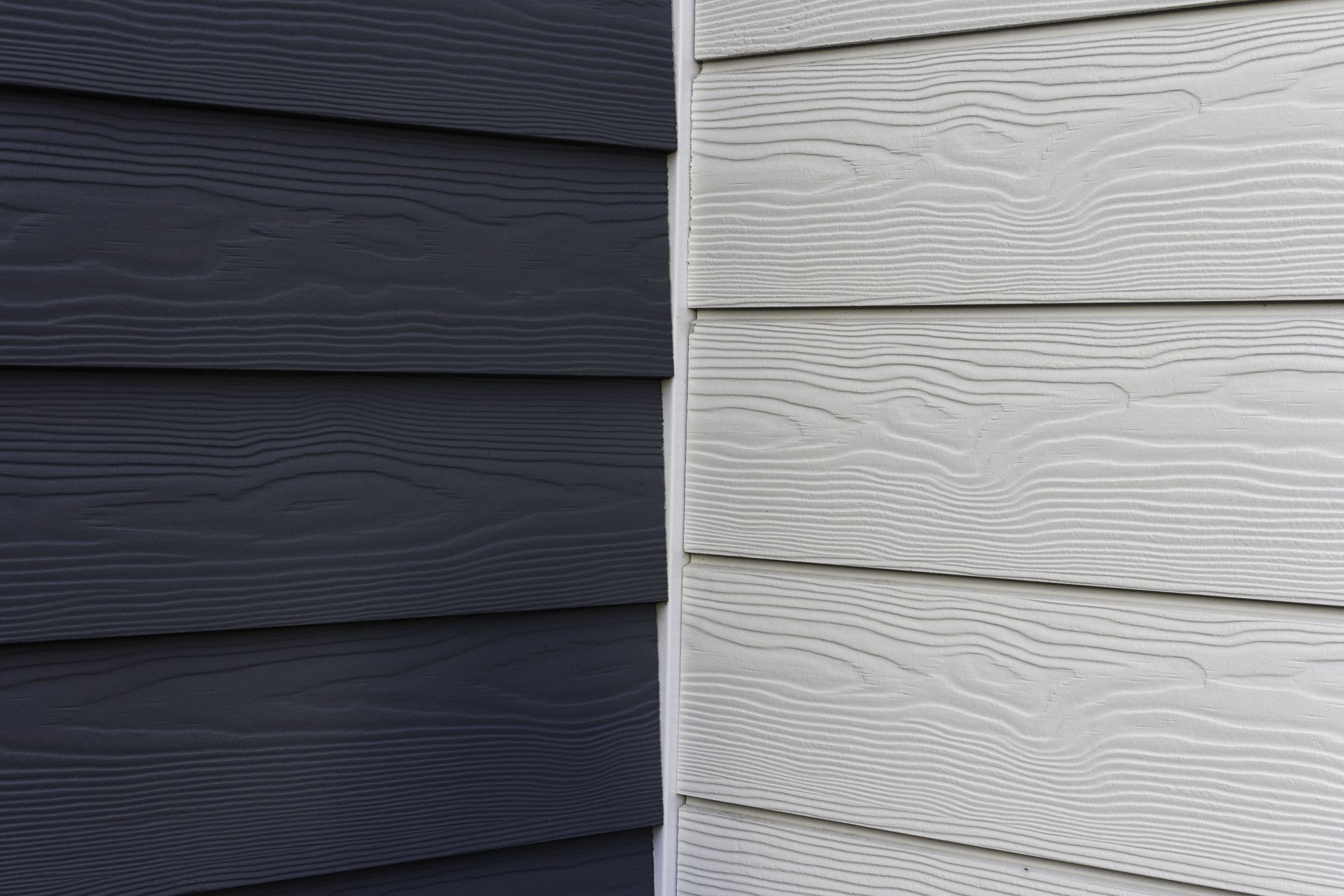
Fiber cement siding placement begins with understanding what makes this material stand out. It is made from a blend of cement, sand, and cellulose fibers, giving it exceptional strength and resistance to rot, pests, and fire. The result is a siding option that looks like wood or stone without the same level of upkeep. Proper installation ensures the siding performs as intended, preserving both appearance and structural protection.
Prepare the Surface Before Fiber Cement Siding Insertion
A smooth, dry, and flat surface is essential before fiber cement siding installation begins. This means addressing any uneven sheathing, repairing damaged underlayment, and confirming the wall is clean of debris. Without this step, panels may not sit flush, leading to gaps that allow water infiltration and air leaks. When preparation is done correctly, the siding lays evenly and creates a more effective weather barrier.
Install a Weather Barrier During Fiber Cement Siding Placement
Installing a high-quality weather barrier is one of the most important steps in a fiber cement siding placement. The barrier acts as a secondary line of defense, preventing moisture that slips behind the siding from reaching the structure. Without this layer, even small gaps can lead to trapped moisture, which can cause mold, wood rot, and interior damage over time.
Measure Accurately During Fiber Cement Siding Insertion
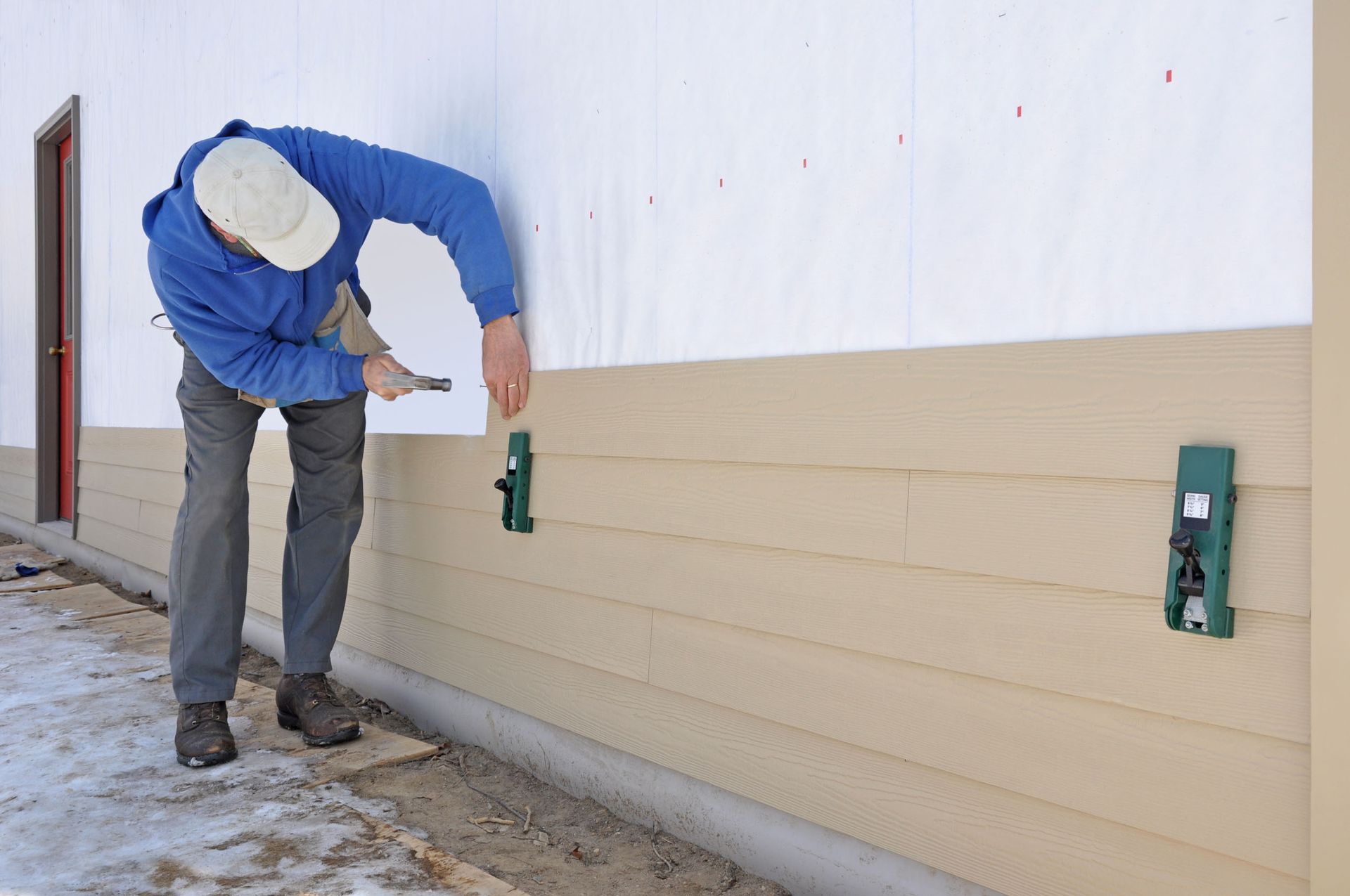
Accurate measurement is essential to a successful fiber cement siding installation. Each panel must be cut precisely to fit around windows, doors, and corners without leaving gaps. If panels are cut too short or misaligned, the risk of water penetration increases. When measurements are correct, the siding fits tightly, providing better weather protection and a cleaner finish.
Use Correct Nailing Patterns for Fiber Cement Siding Placement
Nailing patterns are often overlooked, yet they are critical to the stability of fiber cement siding installation. Using the wrong nails or spacing them incorrectly can cause panels to loosen or warp, especially during storms. Proper fastening allows for natural expansion and contraction, which is essential in regions with wide temperature swings.
Prevent Moisture Damage During Fiber Cement Siding Insertion
Fiber cement siding is resistant to water, but that does not mean it is immune to moisture-related problems. Moisture can still enter through gaps, improperly sealed seams, or unprotected edges. Correct fiber cement siding installation includes proper overlaps and sealant where needed to keep water from infiltrating behind the panels. This prevents mold growth, wood rot, and structural damage.
Protect Against Temperature Changes With Proper Fiber Cement Siding Insertion
Temperature extremes can cause fiber cement siding to expand and contract. If installation does not account for these changes, gaps can form, and panels may warp or crack over time. Correct spacing and fastening methods ensure the siding maintains its form and function even through severe heat or cold.
Ensure Wind Resistance Through Proper Fiber Cement Siding Placement
Fiber cement siding is dense and durable, but high winds can still cause damage if panels are not properly secured. Correct fiber cement siding installation ensures each panel is fastened securely, reducing the risk of tearing or loosening during storms. This helps protect the home’s exterior and maintain the siding’s long-term integrity.
Avoid Common Installation Mistakes During Fiber Cement Siding Insertion
One of the most common mistakes is ignoring manufacturer instructions. Each siding product has specific guidelines that must be followed to ensure proper performance. Over-driving nails, failing to level panels, and skipping the weather barrier can all reduce the siding’s effectiveness. When installation is done correctly, the siding performs as designed and lasts longer.
Highlight Long-Term Benefits of Professional Fiber Cement Siding Insertion
A professionally installed siding system improves both appearance and home value. Proper installation reduces future repair needs, lowers maintenance costs, and helps protect the home from moisture and weather damage. According to The Spruce, fiber cement siding can last more than 100 years when properly maintained, making it a durable and long-lasting investment when installed correctly.
Choose a Team With Experience in Fiber Cement Siding Placement
Choosing a qualified siding contractor ensures the job is done right the first time. Proper fiber cement installation requires skilled labor, accurate measurement, and attention to detail — especially around windows, corners, and trim. When professionals handle the installation, homeowners can feel confident in the siding’s performance and long-term protection.
Coordinate Exterior Upgrades With Fiber Cement Siding Insertion
Fiber cement siding installation is a key part of a broader exterior upgrade strategy. Homes often benefit from roof replacement, window services, painting, and deck or patio improvements. Coordinating these services ensures that all exterior elements work together, creating a cohesive look and improved weather resistance. A unified approach also helps prevent future issues caused by mismatched materials or uneven protection.
Improve Home Performance With Energy-Efficient Upgrades During Fiber Cement Siding Insertion
When fiber cement siding insertion is paired with window replacement and improved insulation, it can enhance overall energy efficiency. Properly sealed siding reduces drafts and helps maintain consistent indoor temperatures. Combined with updated windows, the result is a more comfortable living environment and lower energy bills.
Protect the Home With Maintenance and Inspection After Fiber Cement Siding Placement
Even with proper installation, fiber cement siding benefits from routine inspection. Checking for loose panels, damaged trim, and weather-stripping helps prevent moisture infiltration and long-term damage. Inspections can be scheduled alongside other exterior services, ensuring the home remains protected year-round.
Proper fiber cement installation siding is essential to unlocking the material’s full weather-resistant potential. From surface preparation to accurate measurement, correct nailing, and effective moisture protection, each step must be executed carefully to avoid future issues. When the installation is done correctly, homeowners benefit from a stronger, more durable exterior that can withstand rain, wind, and temperature changes for decades.
In addition, a well-installed siding system improves long-term home performance by preventing drafts and supporting energy efficiency. Pairing fiber cement siding installation with roofing services, window replacement, painting, and deck or patio improvements can create a cohesive exterior that holds up better under weather extremes. This approach also helps protect the home’s structural integrity, reducing the likelihood of costly repairs down the road.
If you want your home protected with high-quality siding, Jacob’s Ladder can help with professional installation and ongoing support — our team is ready to ensure your home looks great and performs reliably for years to come.